Mindblown: a blog about philosophy.
-

Trump’s Housing Order: Middle-Class Relief or Hype?
Trump’s executive order limits single-family home sales to institutional investors, aiming to reduce competition. Institutional investors own just 3% of rental homes, making minimal impact on national affordability. Experts warn limiting investors may raise rents 4–7% and slow neighborhood turnover. Investors often outbid first-time buyers with 10–15% above asking, pressuring middle-class buyers. Expanding entry-level home…
-
El déficit de viviendas en EE. UU. superará los 4 millones en 2025 por falta de construcción frente a la demanda
El déficit de viviendas en EE. UU. se amplió a 4,03 millones de unidades en 2025 debido a la escasa construcción y al aumento de la demanda, especialmente entre los hogares jóvenes. Se formaron aproximadamente 1,41 millones de hogares frente a solo 1,36 millones de nuevas viviendas iniciadas, lo que agrava los problemas de asequibilidad.…
-
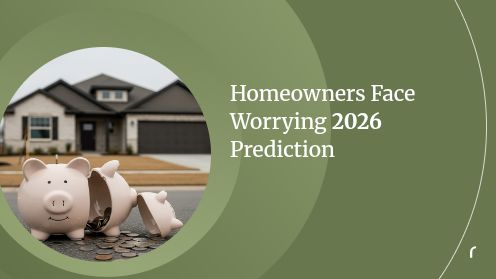
Homeowners Face Worrying 2026 Prediction
Builders have cut prices for a year to boost sales amid buyer reluctance. Typical home price is now 4.9× household income; historically, it was 3×. 36% of builders cut prices in February, avg. discount 6%. New homes often cost less than existing homes; sellers reluctant to lower prices. Experts split: some expect further price drops…
-
Tras la nueva orden ejecutiva de Trump, ¿debería invertir en build-to-rent?
Una orden ejecutiva apunta a los grandes inversores institucionales que compran y alquilan viviendas unifamiliares, buscando frenar la especulación, pero excluye los proyectos build-to-rent (BTR). La mayoría de los alquileres unifamiliares (SFR) pertenecen a pequeños inversores, mientras que los grandes poseen menos del 2%. El BTR aporta nueva oferta de vivienda y sigue siendo una…
-
Los estados más deseados para mudarse: qué ofrecen y cuánto cuestan
Los 10 estados de EE. UU. más deseados por los estadounidenses para mudarse en 2025 son South Carolina, Idaho, Alaska, North Carolina, Maine, Tennessee, Delaware, South Dakota, Alabama y Arkansas. Estos estados combinan viviendas asequibles, oportunidades laborales, ventajas fiscales y beneficios de estilo de vida como acceso a la naturaleza y climas agradables. Sin embargo,…
-
How Credit Scores Can Affect Mortgage Pre-Approval
Mortgage pre-approval and interest rates can be influenced by your credit profile, but requirements vary by lender and situation. Credit utilization, payment history, and overall debt levels are common factors lenders review, along with your debt-to-income ratio. It can also help to check credit reports for errors and understand how new credit accounts may impact…
-
57% of Counties Say Owning BeatsRenting in 2026
Owning beats renting in 57% of U.S. counties—but upfront costs still block buyers. Wages grew faster than shelter costs in most places—relief for buyers possible. Hidden costs like taxes, repairs, HOA, insurance add ~$16K/year per homeowner. Fewer rental units, stricter density rules tilt affordability toward homeownership. Forecast: Home prices expected +3–5% nationally in 2026, rents…
-
Will US Housing Stabilize in 2026?
US housing market in 2026 expected steadier, with home prices rising 2.2% nationally. Mortgage rates projected to average 6.3%, slightly easing affordability pressures for buyers. Existing-home sales forecast to rise 1.7% to 4.1 million, up from 30-year low. For-sale inventory expected to surge 9% year-over-year, improving buyers’ bargaining power. Regional variations will drive local market…
-
Ranking del mercado inmobiliario invierno 2026 de The Wall Street Journal/Realtor.com
El mercado inmobiliario muestra una leve mejoría gracias a tasas hipotecarias ligeramente más bajas y un aumento en la oferta, lo que mantiene el interés de los compradores a pesar de los desafíos de accesibilidad y condiciones desiguales. Las áreas metropolitanas medianas del Medio Oeste y el Noreste lideran el ranking debido a sus economías…
-
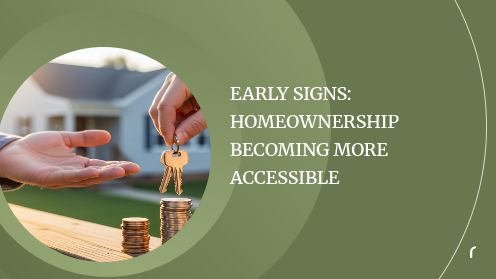
Early Signs: Homeownership Becoming More Accessible
US housing affordability shows early improvement as mortgage costs ease and incomes rise modestly. As of early 2026, 20 of 50 largest metros may reach affordability thresholds, the most since 2022. Mortgage payments now consume a smaller share of household income, boosting buyer negotiation power. High-cost coastal cities remain above affordability; prices still outpace wage…
Got any book recommendations?